The short answer
In the Philippines, plan the piggery around heat, humidity, typhoon wind, power cuts and disease risk, in that order. A farrowing pen that keeps the sow cool and the piglets warm, drinkers with enough clean water, and a house that moves air are worth more than any extra feature.
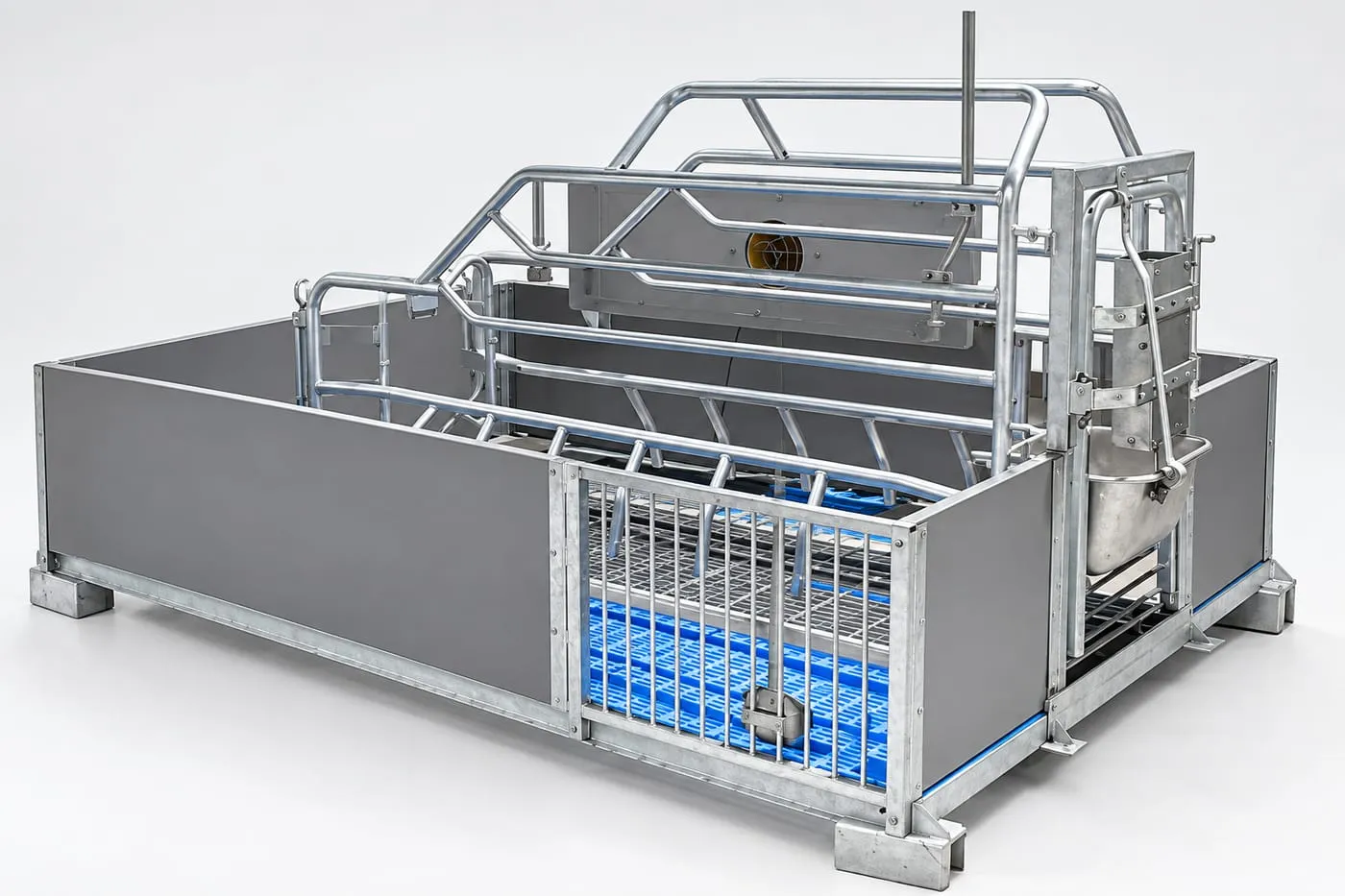
Most Philippine buyers say “piggery” for the farm and “farrowing pen” for the stall where the sow gives birth. In practice most farrowing pens sold here are crates with a creep area. If you want a pen where the sow can turn around, say so: see farrowing pen vs farrowing crate.
What the Philippine climate asks of the equipment
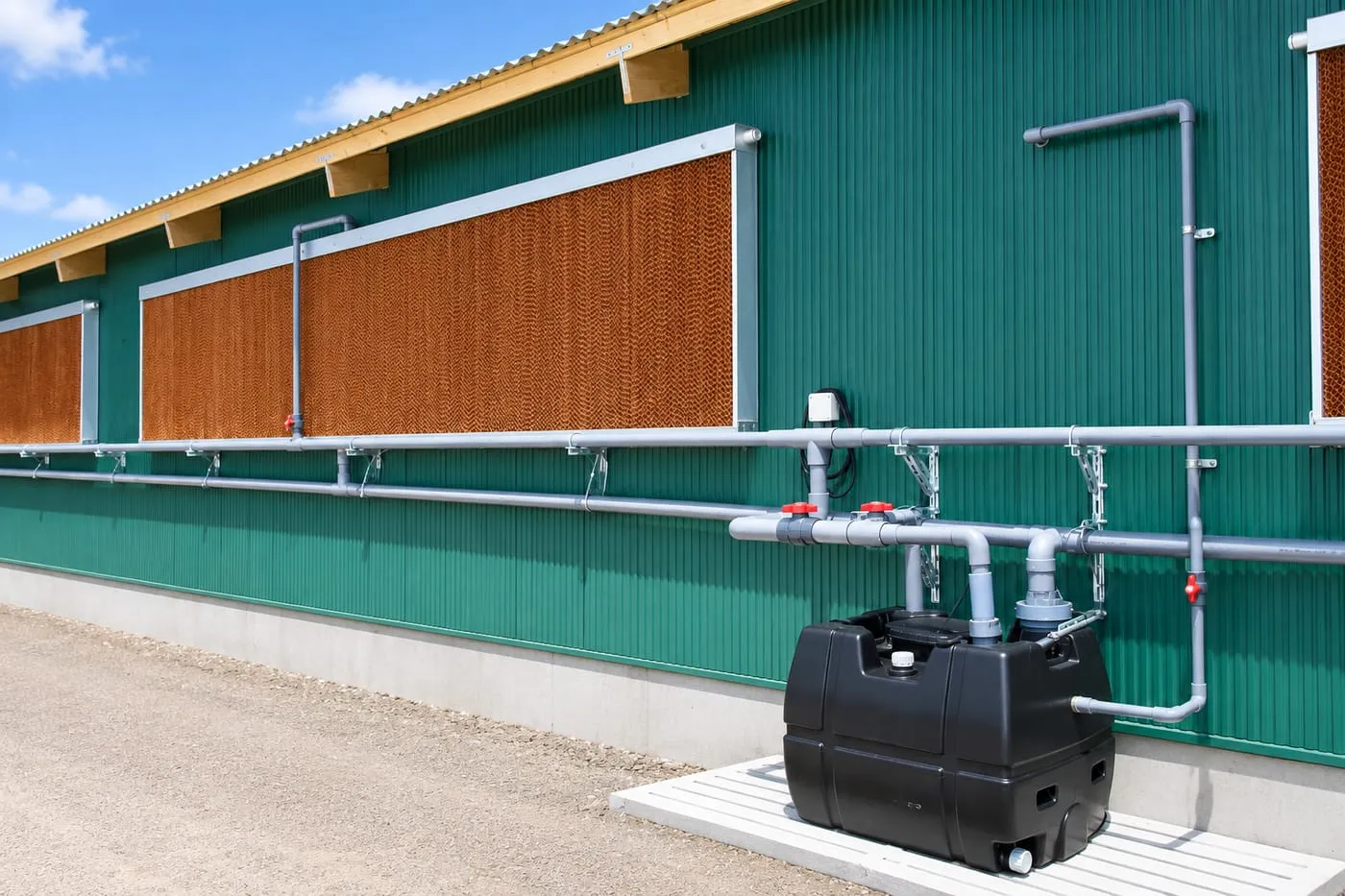
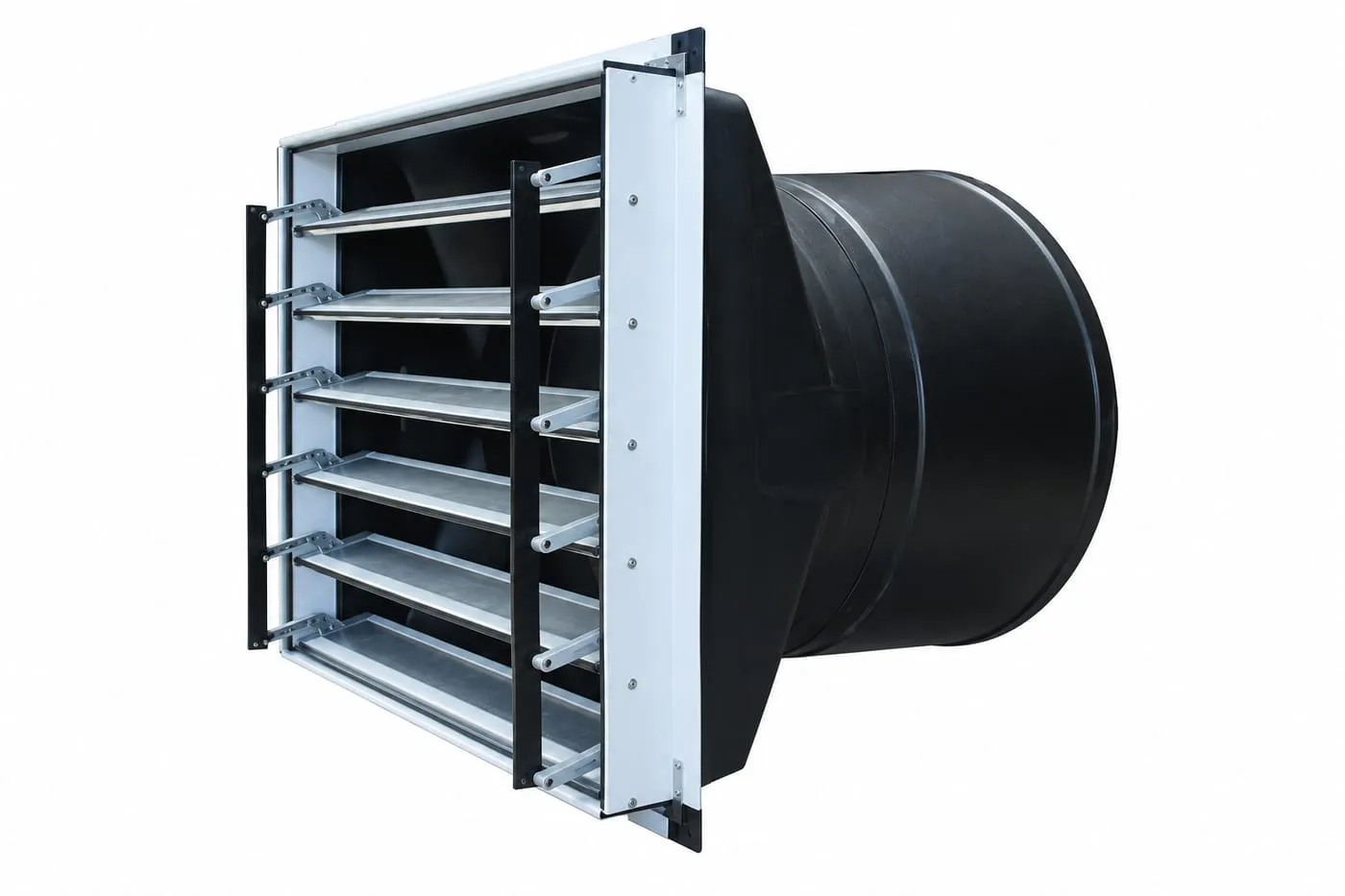
Heat and humidity are the main design problem. Pigs, and sows in particular, lose appetite and performance when they are too hot. In a humid climate evaporative cooling works less well than in a dry one, so houses rely more on moving air, shade, insulated roofs and clean drinking water. The rainy months add another task: keeping floors and creep areas dry when the air itself is wet.
| Issue | What to look at first |
|---|---|
| Heat stress | Exhaust fans, well-placed inlets, roof insulation, cooling pads where humidity allows |
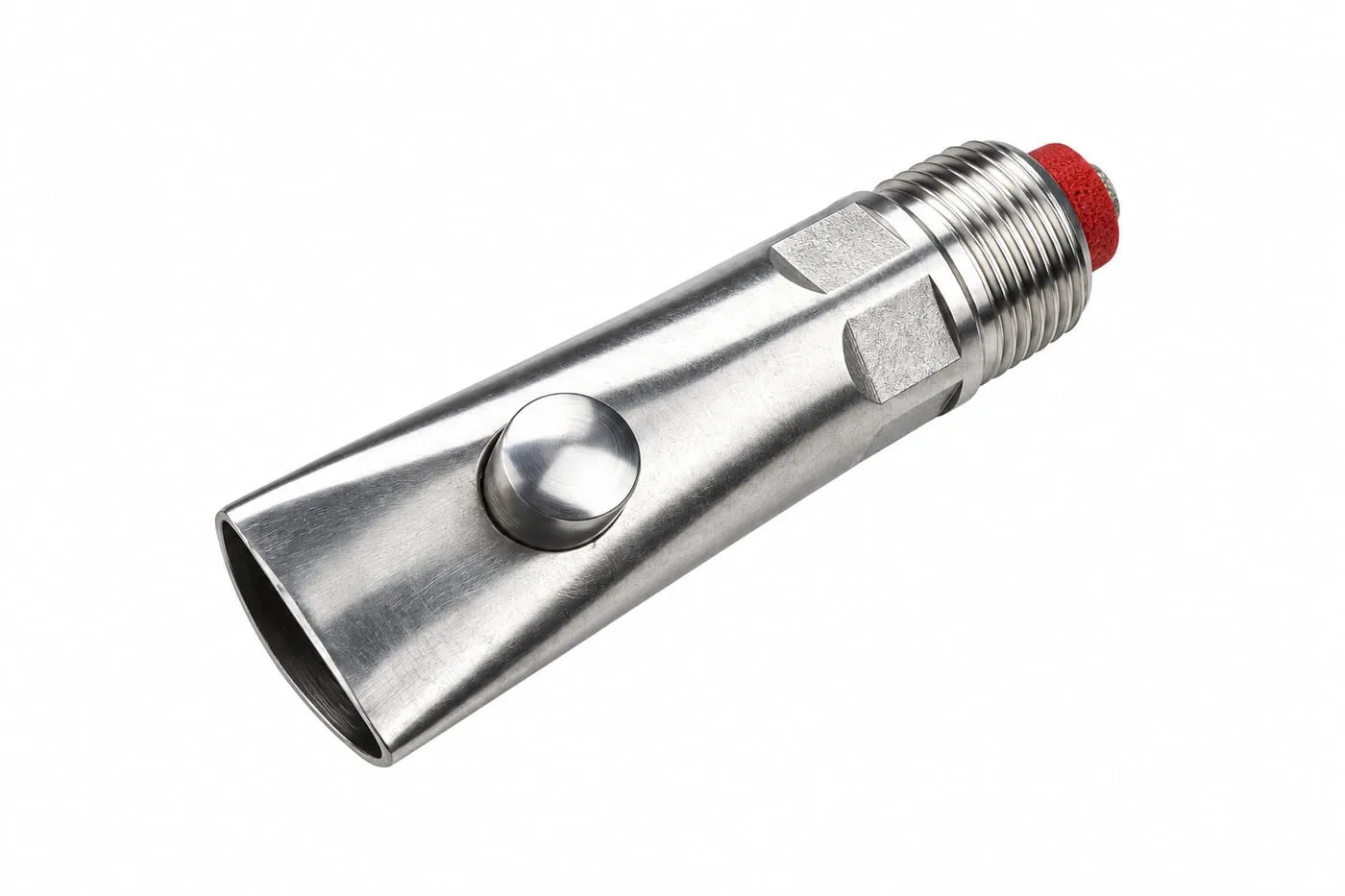
| Water intake | Nipple drinkers with enough flow, clean tanks, filters |
| Farrowing | Farrowing crates with cool sow zones and a warm, dry creep area |
| Typhoon wind | Anchored structures and fixed equipment; confirm with your site |
| Rainy season | Roof overhangs, drainage around houses, floors that dry quickly |
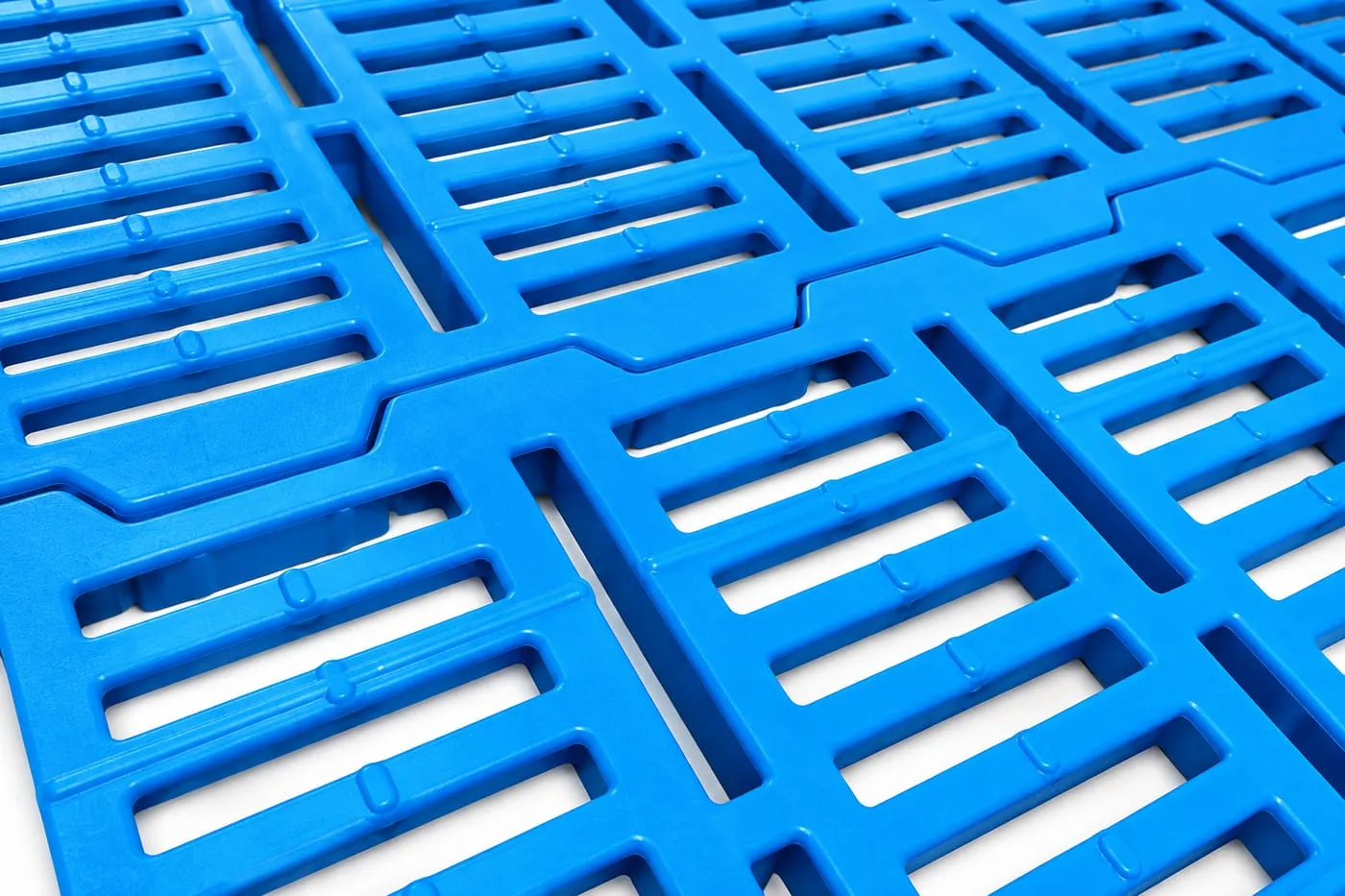
| Cleaning | Plastic slatted floors and drainage that dries quickly |
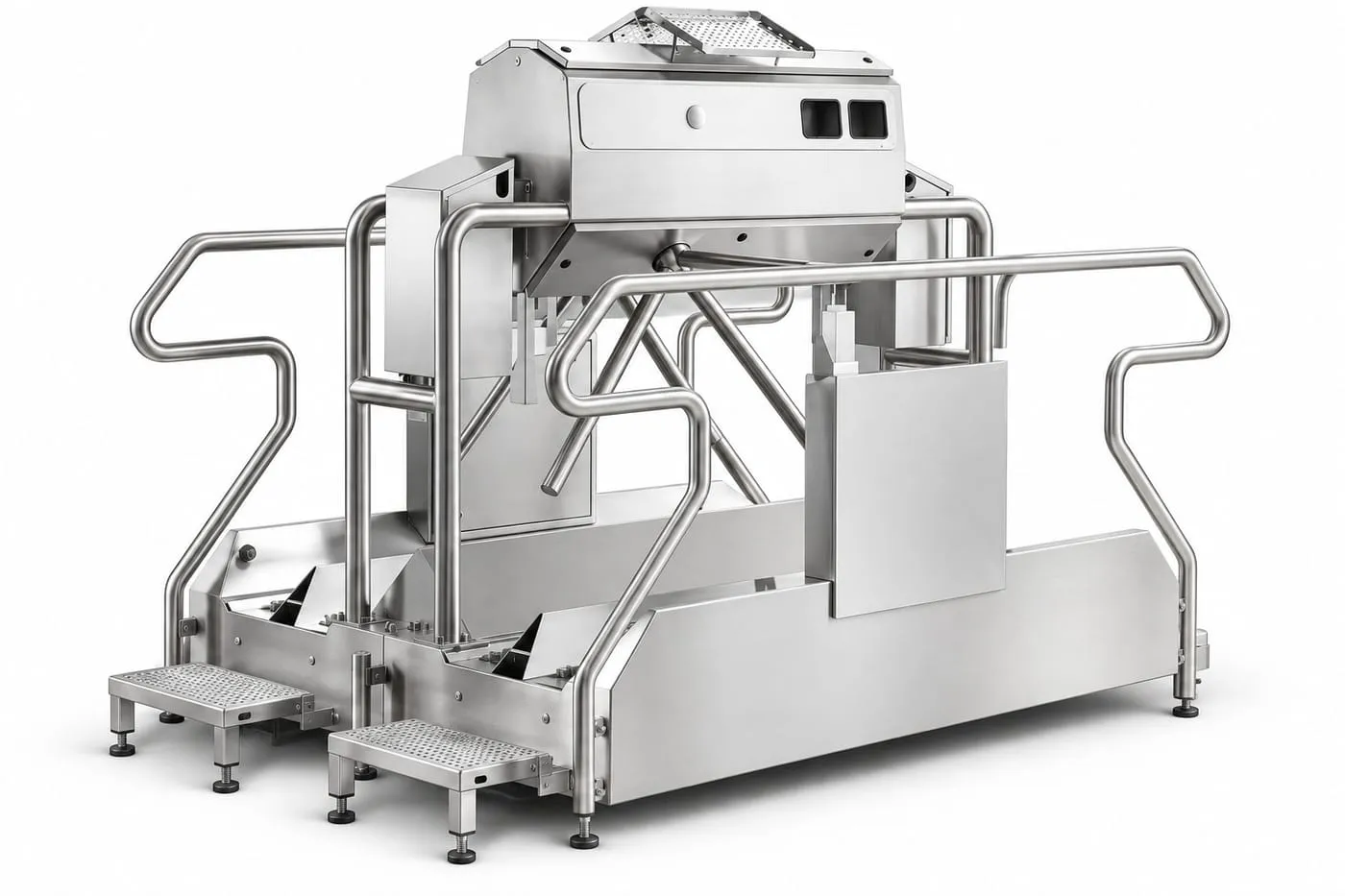
| Disease risk | Hygiene entries, vehicle washing, separate clean and dirty paths |
Heat, the sow and the piglet
Sows and piglets need opposite temperatures in the same pen. The sow wants cool air and cool water; the newborn piglet needs a warm, dry, draught-free spot. In the Philippine climate the usual answer is to cool the sow (air speed over her head and shoulders, a cooled zone in closed houses, drinkers with good flow) and to give the litter a local heat source in a covered creep area, such as a heat mat or lamp under a creep cover. Heaters in the farrowing room are rarely needed for the whole room, only for the piglets. Read more in heat stress in sows and cooling in hot climates.
Typhoons and building strength
Large parts of the country are exposed to typhoons, mainly in the second half of the year. Roofs, steel frames, curtains, fan housings and feed silos all need to be fixed for strong wind. A prefabricated steel house can be designed for the wind load of your site, but we need the location to do it, and your local engineer should confirm the foundation design. Feed silos need proper anchor bolts and a concrete base; do not stand them on loose ground.
Power and water
Some provinces have frequent brownouts. A closed house with fans can overheat within a short time when the power stops, so it needs a generator with automatic switching and an alarm. Open-sided houses are less exposed, but drinkers still need water during an outage, so a raised tank or a water tank and backup pump is useful. Where well water is hard or contains sediment, add filtration and pressure control to keep nipples working. See pig farm power backup and solar.
Disease risk and biosecurity
African swine fever has affected the region in recent years, and it changed how many farms think about visitors, trucks and feed deliveries. Equipment can help: a hygiene entry with a shower or a clear dirty-clean line, a vehicle wash at the gate, a loading ramp at the fence so buyers’ trucks stay outside, and proper mortality storage. Follow the current advice of your local veterinary authority. See the biosecurity checklist.
Piggery sizes we are asked about
Backyard and small commercial farms are very common in the Philippines. They often start with farrowing pens, drinkers and feeders and add houses later. Larger projects plan a full piggery with ventilation, manure handling and biosecurity from the beginning. If you are choosing between a first purchase and a full plan, read the new piggery equipment checklist and small pig farm equipment.
| Starting point | Usual first purchase | Plan for later |
|---|---|---|
| Backyard or small farm | Farrowing pens, drinkers, feeders, fans | Closed house, manure handling |
| Growing commercial farm | Full farrowing and nursery rooms, feed lines | Second house, generator, biogas or separator |
| New large piggery | Complete site plan and all systems | Phased expansion on the same plan |
Manure and neighbours
Wastewater from piggeries is a common local issue, especially near rivers and villages. Plan the manure system with the houses: solid-liquid separators, slurry storage or a biogas digester are all options, depending on size. Check the environmental rules with your local authority before you build.
Supply and shipping
- Equipment is made in China and shipped by sea in containers.
- Delivery inside the archipelago, such as to another island, is a separate step that we include in the quote.
- Parts are packed by house and stage so that a local crew can find them on site.
- Spare parts such as gates, nipples and fan parts can be sent with the order. See spare parts and maintenance.
Common mistakes
- Buying farrowing pens by name and price without checking the sow and piglet areas.
- Closed houses without a generator.
- Silos and curtains not anchored for typhoon wind.
- One drinker line from a tank with no filter.
- Wastewater planned after the houses are built.
What we need to quote
- Island or province and the site’s access road
- Number of sows or finishing places
- Which stages you need (farrowing, nursery, finishing, gestation)
- A drawing or photos of the house, if it exists
- Power and water available, and how often the power fails
Send these through the inquiry form and our engineers reply by email.