The short answer
If you want the most places in a house and the simplest routine, a crate is the usual choice. If you must meet a welfare standard or a customer asks for freedom of movement, plan free-farrowing pens and allow for more floor area.
The words are used loosely. In the Philippines, South Africa and many other markets, “farrowing pen” is often used for the whole farrowing stall, which in practice is a crate with a creep area. In Europe, “free-farrowing pen” is the term for the version without confinement. When you ask for a quote, name the design you want, or describe it: “can the sow turn around, yes or no?”
What each design is
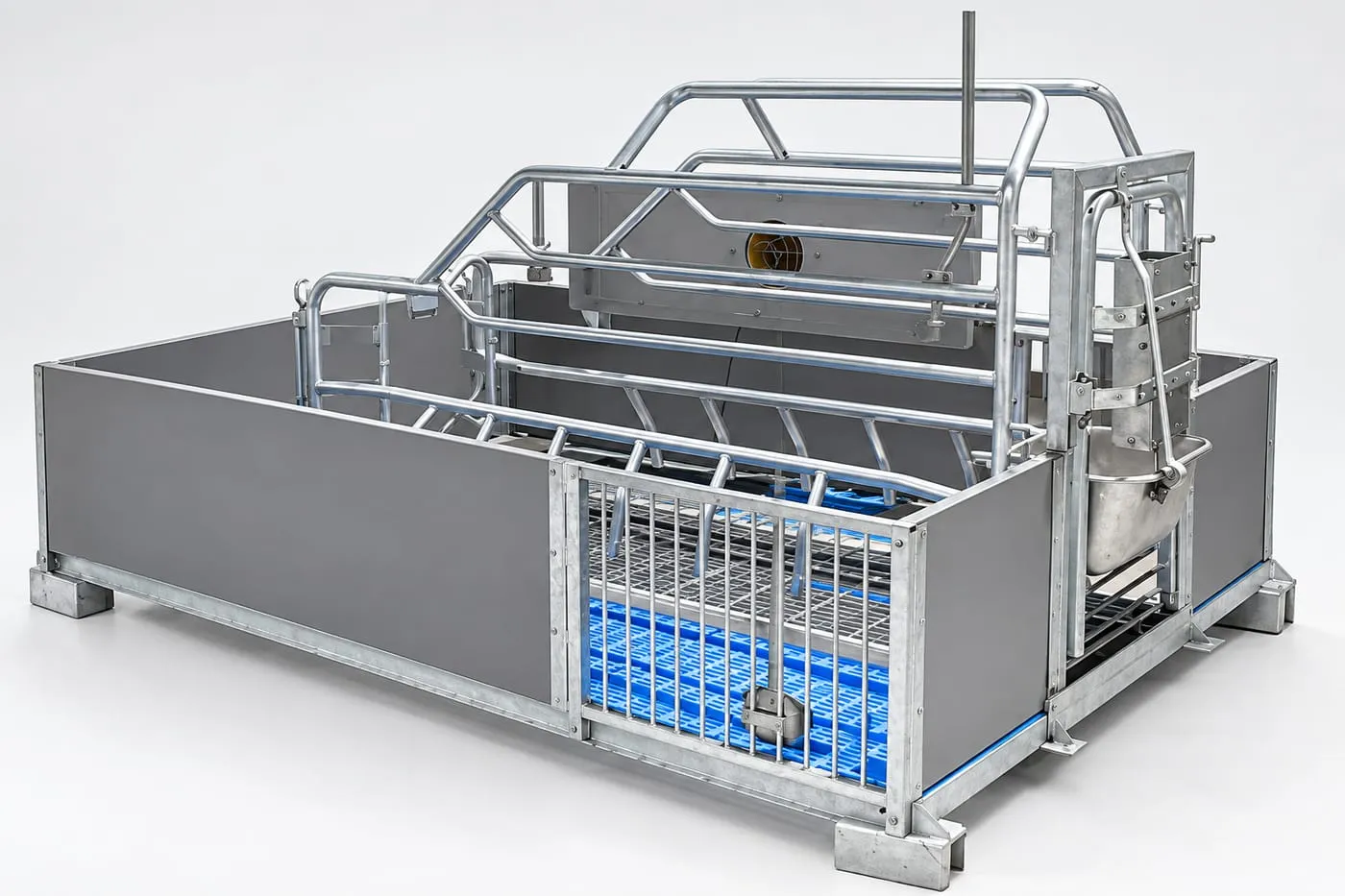
A farrowing crate organises three things in one stall: the sow’s restraint frame in the middle, a piglet area on one or both sides with a local heat source, and the floor, feeder and drinker that serve both. The frame lets the sow stand up and lie down, and its bottom rails guide her as she lies down so that piglets have time to move out of the way. Crates come with different frame styles and gate arrangements, and with plastic and metal floor sections combined under the sow and the litter. See farrowing crates.
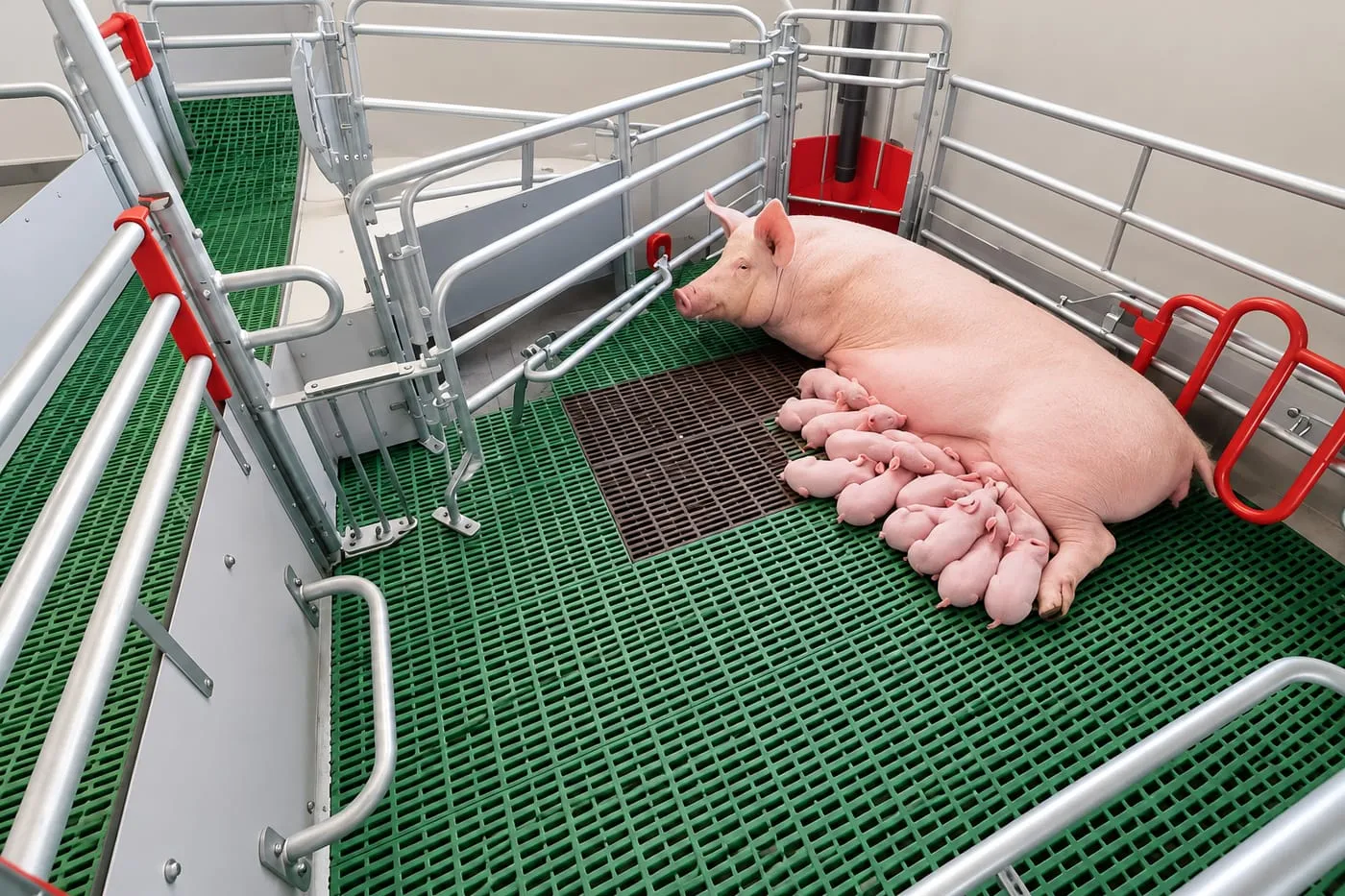
A free-farrowing pen is designed around three needs at once: freedom of movement for the sow, protection for her piglets and safe working space for staff. Instead of a frame, piglet protection comes from the pen layout: sloped walls the sow can lean against, protected corners, rails along the walls and a clearly separated piglet zone. See free-farrowing pens.
Between the two is the temporary-restraint pen: a crate frame inside a larger pen that can be closed for a few days around farrowing and then opened. How long it stays closed is a management and welfare-rule question, not an equipment one.
How they compare
| Farrowing crate | Temporary-restraint pen | Free-farrowing pen | |
|---|---|---|---|
| Sow movement | Can stand and lie down, cannot turn | Restricted for a few days, then free | Can move and turn throughout |
| Floor area per sow | Smallest | Same as a free pen | Larger |
| Places in the same house | Most | Fewer | Fewer |
| Piglet protection | Frame guides the sow when she lies down | Frame during the riskiest days, pen layout after | Pen layout, sloped walls, rails and sow behaviour |
| Staff entry | Simple, the sow is held | Plan for both modes | Needs safe entry with a loose sow |
| Staff skill needed | Lower | Medium | Higher, closer observation |
| Typical use | Most commercial farms | Markets moving away from confinement | Welfare-driven markets, some retail programmes |
What decides the choice
- Local rules and customers. Some countries and buyers limit confinement or set a maximum restraint period. Ask first, because it changes the building. Rules change, so confirm the current version with your local authority or buyer.
- Floor area. A free or temporary-restraint pen needs more room. Count the places you need from your batch farrowing plan before you choose, then check how many pens of each type fit the room.
- Sow type. Large, calm sows and nervous gilts behave differently. Adjustable crate width and length help when your herd is mixed. See what decides farrowing crate size.
- Climate. In hot regions the creep area and the sow’s cooling matter as much as the frame. A sow under heat stress eats less and milks less in either design. See cooling in hot climates and heat stress in sows.
- Staff. Free pens reward experienced stockpeople who watch sows closely in the first days. If your team is new, a crate or a pen with restraint is easier to run well.
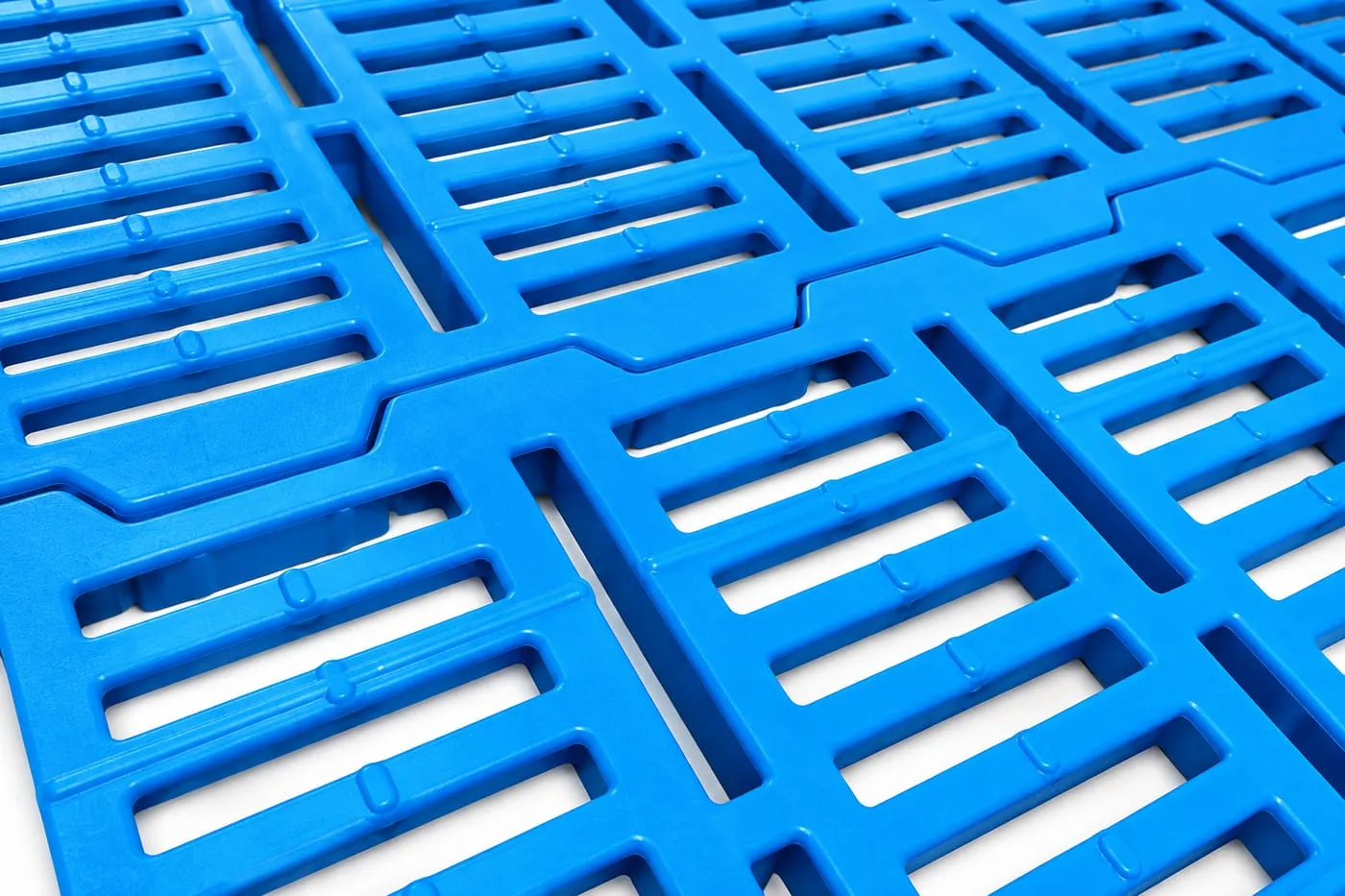
- Cleaning. Both designs need floors that drain well. Plastic slats under piglets and stronger flooring under the sow are common. Gates and removable parts shorten washing time between batches.
A simple decision path
- Do your rules or customers forbid confinement during lactation? If yes, plan free pens. If they allow a short period, consider temporary restraint.
- If there is no restriction, how many farrowing places do you need, and how big is the room? If space is tight, crates usually fit the plan.
- Is there a chance rules will tighten during the building’s life? If yes, size the room for larger pens now, even if you fit crates first.
- Choose the piglet heat source and creep area for the climate: see piglet heat lamps and heat mats.
- Pick the floor combination under the sow and the litter: see sow comfort and farrowing floors.
Common mistakes
- Ordering by name only. “Farrowing pen” can mean a crate or a free pen. Two quotes for “farrowing pens” may describe completely different equipment and floor areas.
- Fitting free pens into a room drawn for crates. The place count drops, and the batch plan no longer works.
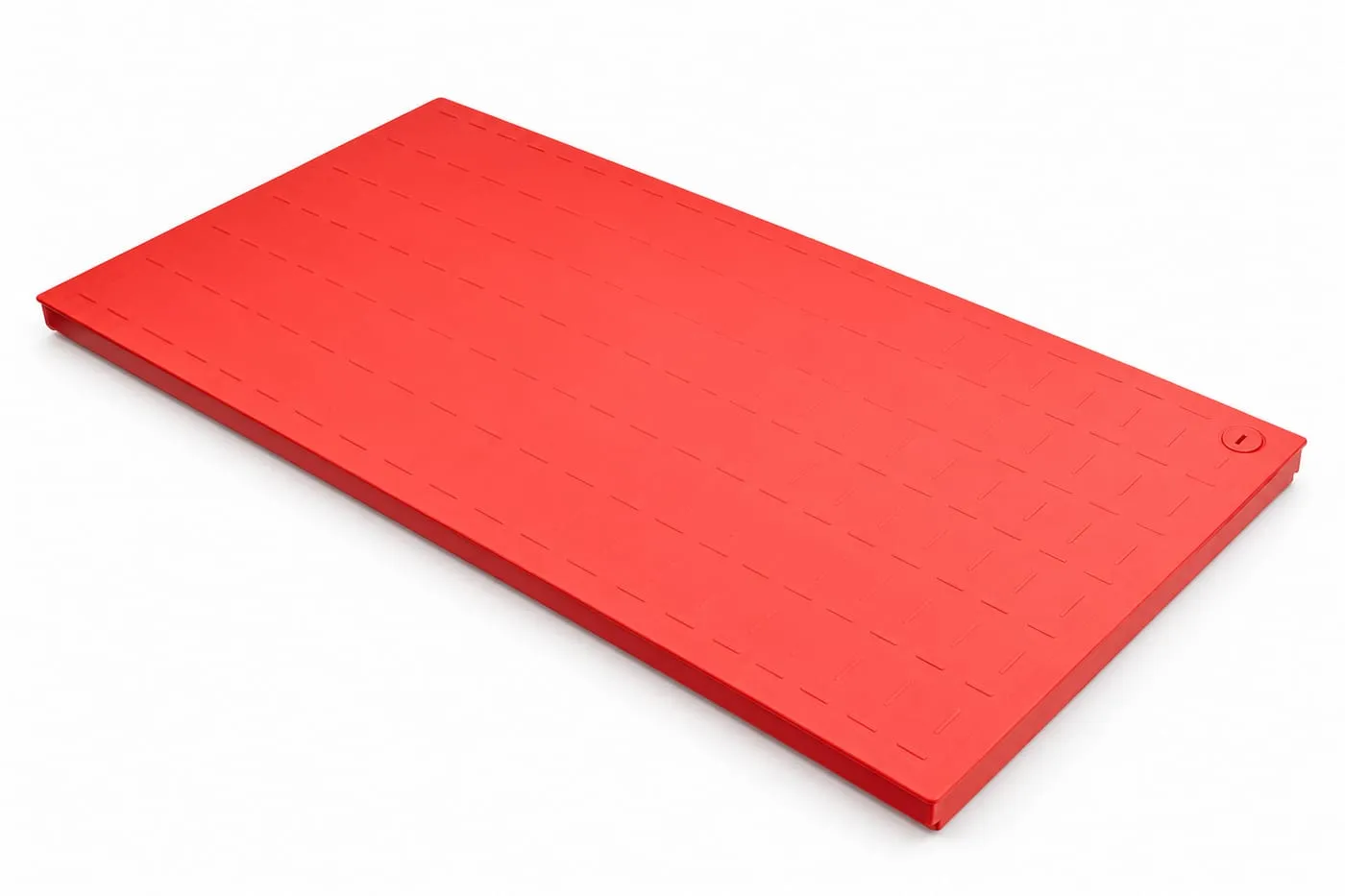
- Ignoring the piglet area. Whatever the frame, piglets need a warm, dry, draught-free zone the sow cannot reach. A cold creep area sends piglets to lie next to the sow.
- One crate size for all sows. Gilts and older sows differ in length and width. Without adjustment, small sows have too much room and large sows too little.
- Forgetting staff safety. In loose pens, staff need a clear way in and out and a place to step away from a protective sow.
What to check in any quote
- Crate width and length adjustment for gilts and older sows
- Floor material under the sow and under the piglets, and how the sections join
- Where the heat source sits for piglets and how it is fixed
- Feeder and drinker positions for the sow and the litter
- For free pens: pen size, sloped walls, rails and the size of the piglet zone
- For temporary restraint: how the frame opens and locks
- Gates and removable parts so the pen can be washed quickly
What we need before quoting
Send your room drawing or measurements, the number of sows and farrowing places, your batch rhythm, the sow genetics or typical sow size, your local welfare requirements and the climate at the site. With that we can draw the layout and show how many crates or pens fit, and what changes between the options. For the full list of what we confirm, see farrowing crates and free-farrowing pens, and for the room itself, farrowing house design.